
Plumbing pipe choice comes down to three plain questions: what the line carries, how much heat and pressure it faces, and what the job site demands from the crew. Below are ten common pipe types by material, with where you see each one, what it does well, where it fails, how it handles pressure and temperature, how price usually lands, how wide the size range runs, whether shape change from heat is a concern, and a quick way to spot it in the field.
Copper pipes
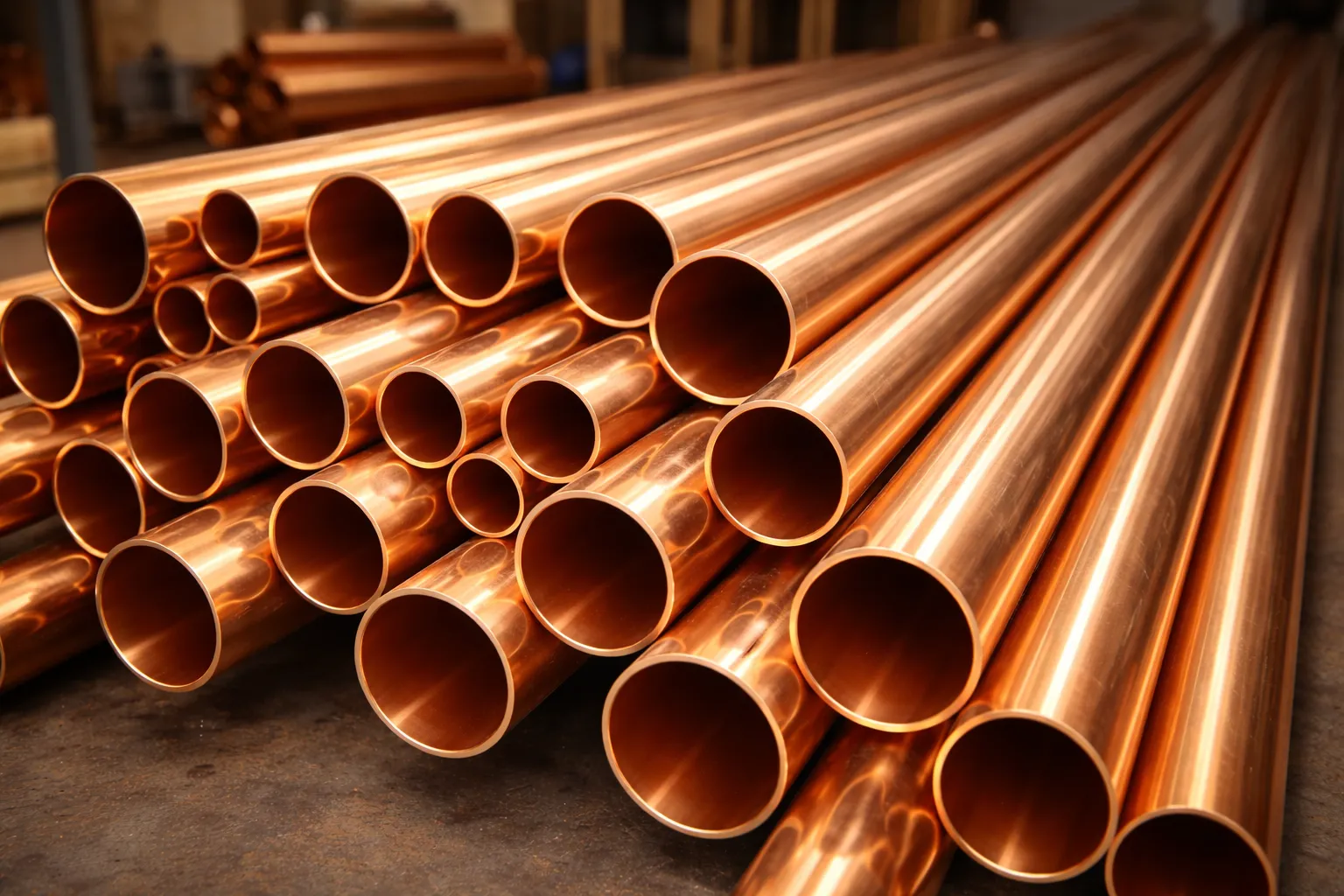
Copper is a metal tube used for domestic water lines and hydronic circuits where heat and steady performance matter. It usually holds up for decades when water chemistry stays reasonable, and it tolerates hot water without turning soft or losing shape. Cost often runs higher than plastics, yet many owners accept that trade because repairs are straightforward and the layout stays rigid and neat. Supply pressure is rarely a problem when the correct tube type and fittings match the system rating. Size options run wide in common building work, so a shortage of diameters is not the typical headache. The main risks show up as pitting in harsh water conditions and dents from impact on exposed runs. You can recognize copper by its reddish metal color and joints that look soldered, brazed, or pressed, plus printed type marks on many lengths. Here is the image for copper pipes to visually understand!
PEX pipes
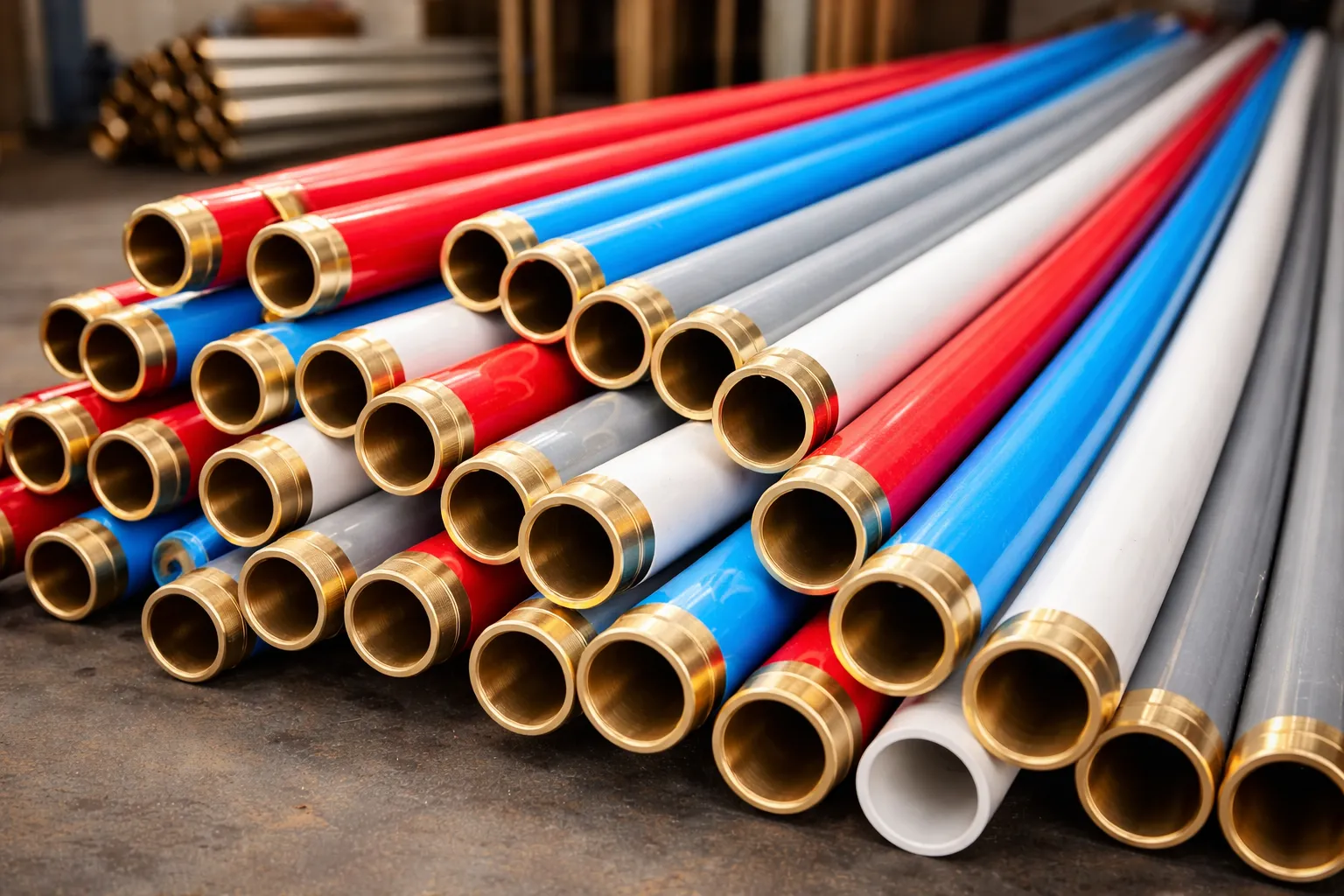
PEX is a flexible plastic tube used for indoor water distribution, manifold setups, and radiant loops. A long service life is common when the tube stays out of sunlight and away from sharp edges, and its flexibility helps in cold regions because it often fares better than rigid pipe when a line freezes. Install work moves fast because bends replace many elbows, which makes day to day field handling easier than rigid plastics. It is routinely rated for normal house water pressure when the tubing class matches the supply. Price usually lands in a friendly zone for labor time, since fewer fittings mean fewer slow points. Diameter choices cover most residential needs, yet very large sizes are less common in typical retail stock. Heat distortion is not the usual issue, though support and proper spacing keep it tidy. Hot water use works when the tube carries the correct rating. Spot PEX by coiled, flexible tubing, often red or blue, with crimp rings or clamp bands at the fittings. Here is the image for PEX pipes to visually understand!
CPVC pipes
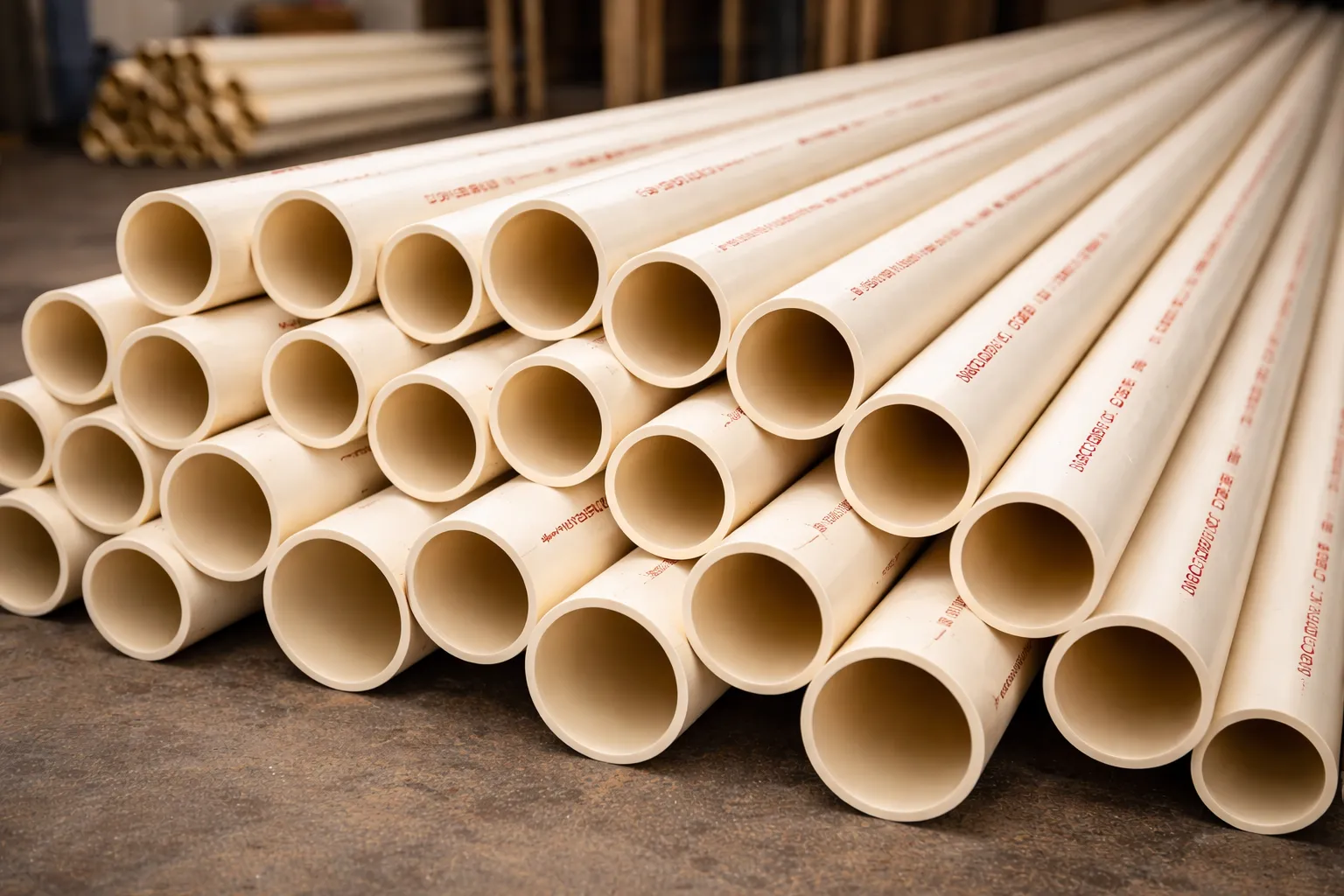
CPVC is a rigid plastic used for hot and cold water supply in places where solvent welded pipe is preferred. It handles higher water temperatures than standard PVC, so it fits hot water distribution when permitted by local practice. With correct pressure class, it takes supply pressure well, though impact in cold weather may crack it, so protection from knocks matters. Material cost is often moderate and tool needs stay simple, yet joint quality depends on proper cement and cure time. Size range is decent for building supply work, though some markets carry fewer options than PVC. Heat related shape change is limited in normal service if hangers and spacing follow good trade habits. CPVC is easy to spot because it is commonly tan or light beige, with “CPVC” printed on the wall and glued socket joints. Here is the image for CPVC pipes to visually understand!
PVC pipes
PVC is a rigid plastic used most often for drain, waste, and vent lines, with pressure rated versions used for certain cold water tasks outside the typical indoor hot water role. For DWV work, it tends to last a long time because it does not rust and the bore stays smooth. It is easy to cut and join, and cost usually stays low, which is why it shows up in many residential drain systems. High pressure suitability depends on the specific pressure rated pipe, so the schedule and rating stamp matter. The size catalog is broad, so finding a fitting is rarely the issue. The weak spot is heat, since hot discharge or proximity to heat sources can soften the pipe and lead to unwanted shape change. Identify PVC by white or gray rigid pipe with solvent welded joints, plus clear “PVC” markings along the length. Here is the image for PVC pipes to visually understand!
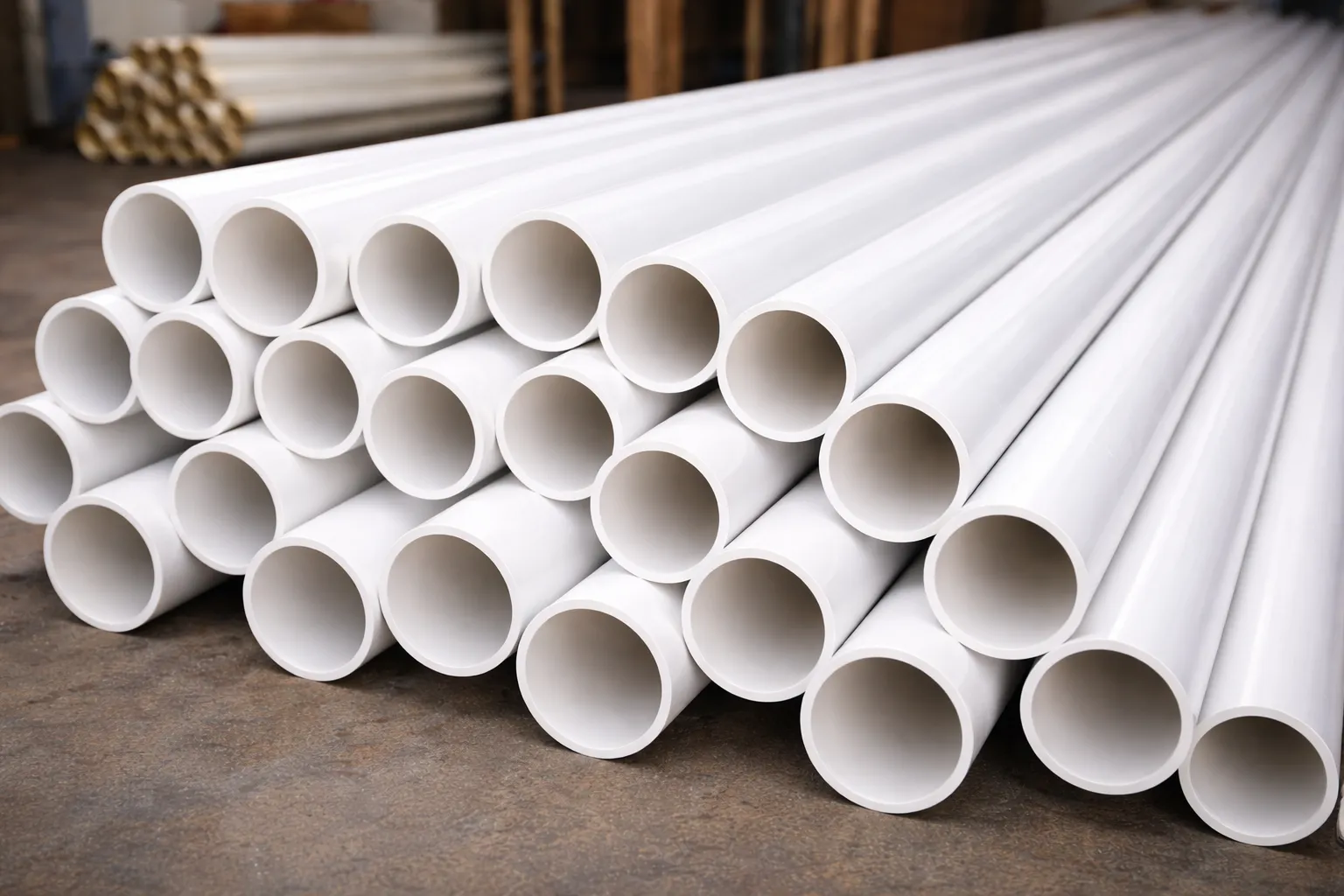
ABS pipes
ABS is a black plastic used for DWV networks, particularly indoors where impact toughness helps during rough in work. It typically serves well for years when shielded from sunlight and when support spacing keeps expansion under control. It costs low to moderate in many places, and the work pace stays quick because solvent weld joints set up fast when done right. This pipe is not chosen for high pressure water supply in typical building plumbing, so it stays in drainage and vent roles. Size availability covers common DWV diameters, though some regions stock fewer large options than PVC. Heat tolerance works for normal wastewater, but it is not meant for sustained high temperature pressure service. You can spot ABS by its black color and “ABS” print on the pipe wall, with glued joints that look similar to PVC but without the same common primer habits. Here is the image for ABS pipes to visually understand!
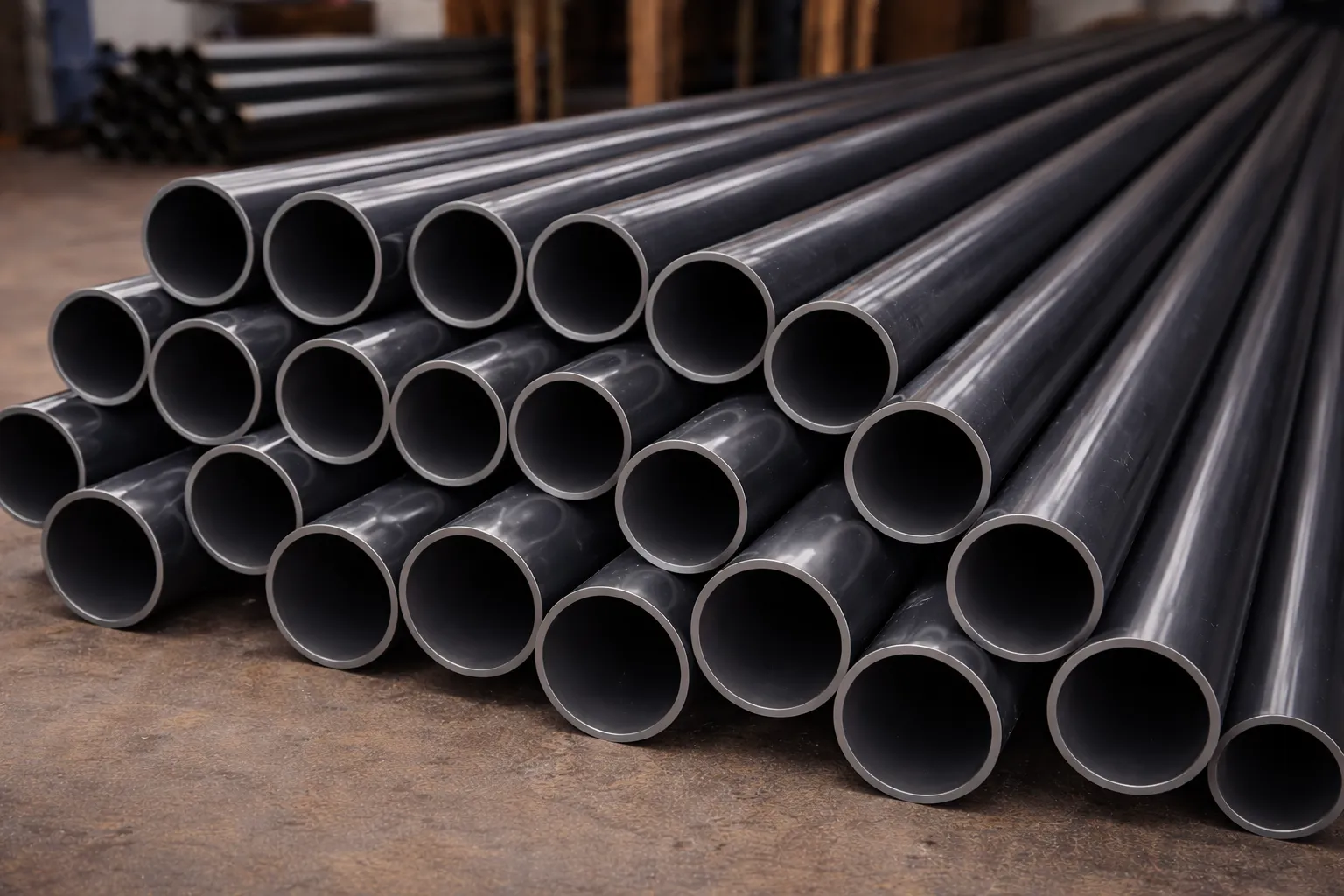
Cast iron pipes
Cast iron is the heavy classic for drainage stacks and building drains, prized in many multi unit and commercial cores where quiet flow matters. Service life often stretches very far when slope, venting, and maintenance stay proper, and it shrugs off normal discharge heat without softening or shape change. It is not a high pressure supply material, so it stays on the waste side of the system. Material price can look reasonable on paper, yet labor cost climbs because the pipe is heavy, cuts take effort, and handling needs care. Sizes cover the common DWV range and extend to large diameters for stacks and mains. The main risk over time is internal scale and corrosion that can narrow the bore, especially in older runs. You can identify cast iron by dark metal pipe with real heft, and by no hub couplings that use rubber sleeves with stainless bands. Here is the image for Cast iron pipes to visually understand!
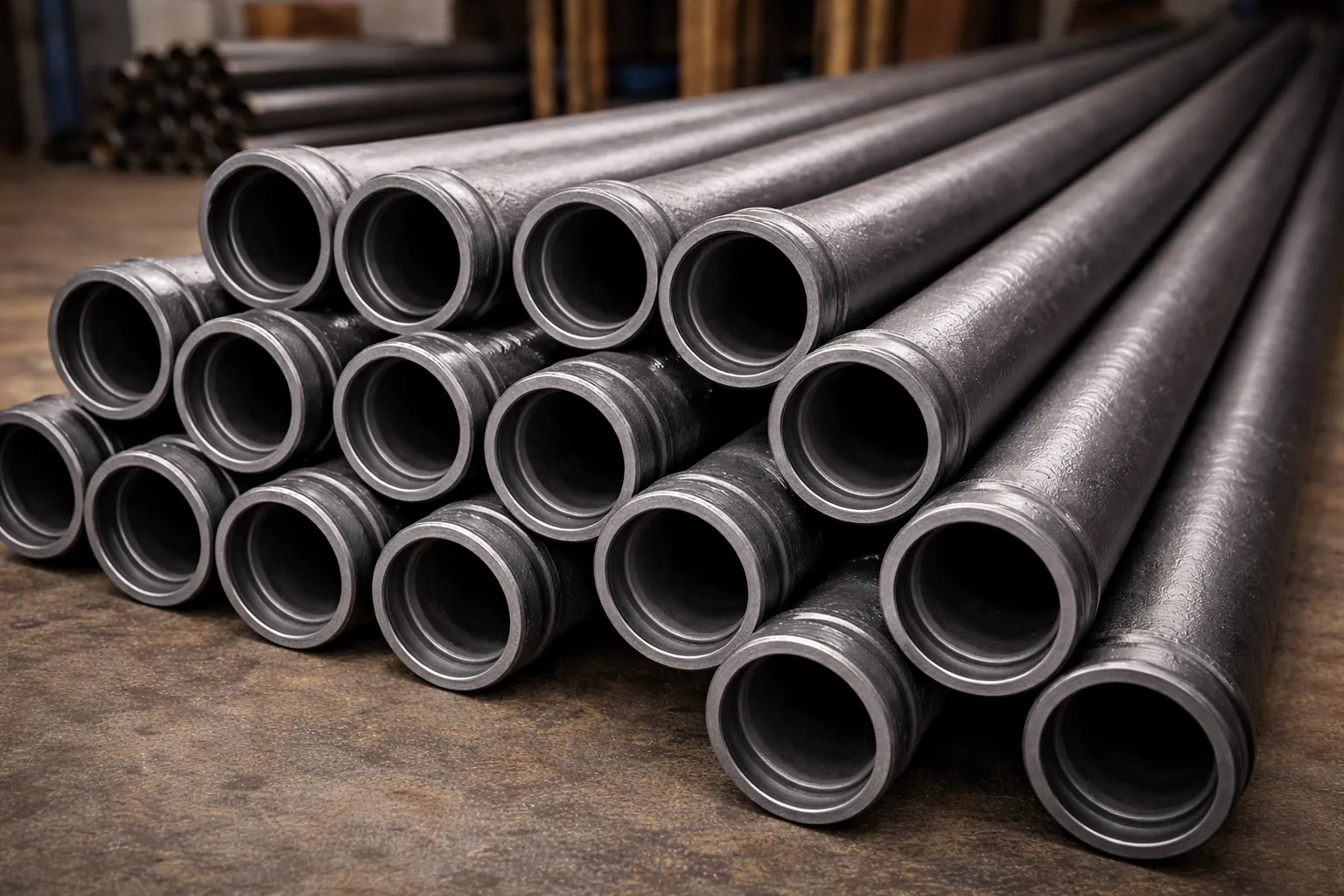
Stainless steel pipes
Stainless steel shows up in demanding commercial and industrial settings where corrosion resistance and cleanliness matter more than sticker price. When the grade matches the water or process chemistry, service life tends to run long, and temperature handling stays strong compared with most plastics. Pressure duty is usually fine when the pipe schedule aligns with the design, which makes it suitable for higher pressure applications. Cost runs high and workmanship expectations rise, since joining may involve press systems, welding, or threaded work with careful practice. Size options exist across industrial ranges, though it is less common in small home projects. Shape change is not a normal concern in water service, aside from heat effects near weld work if done poorly. Stainless is easy to recognize by its bright silver finish and joints that look pressed or welded, often with grade markings. Here is the image for Stainless steel pipes to visually understand!
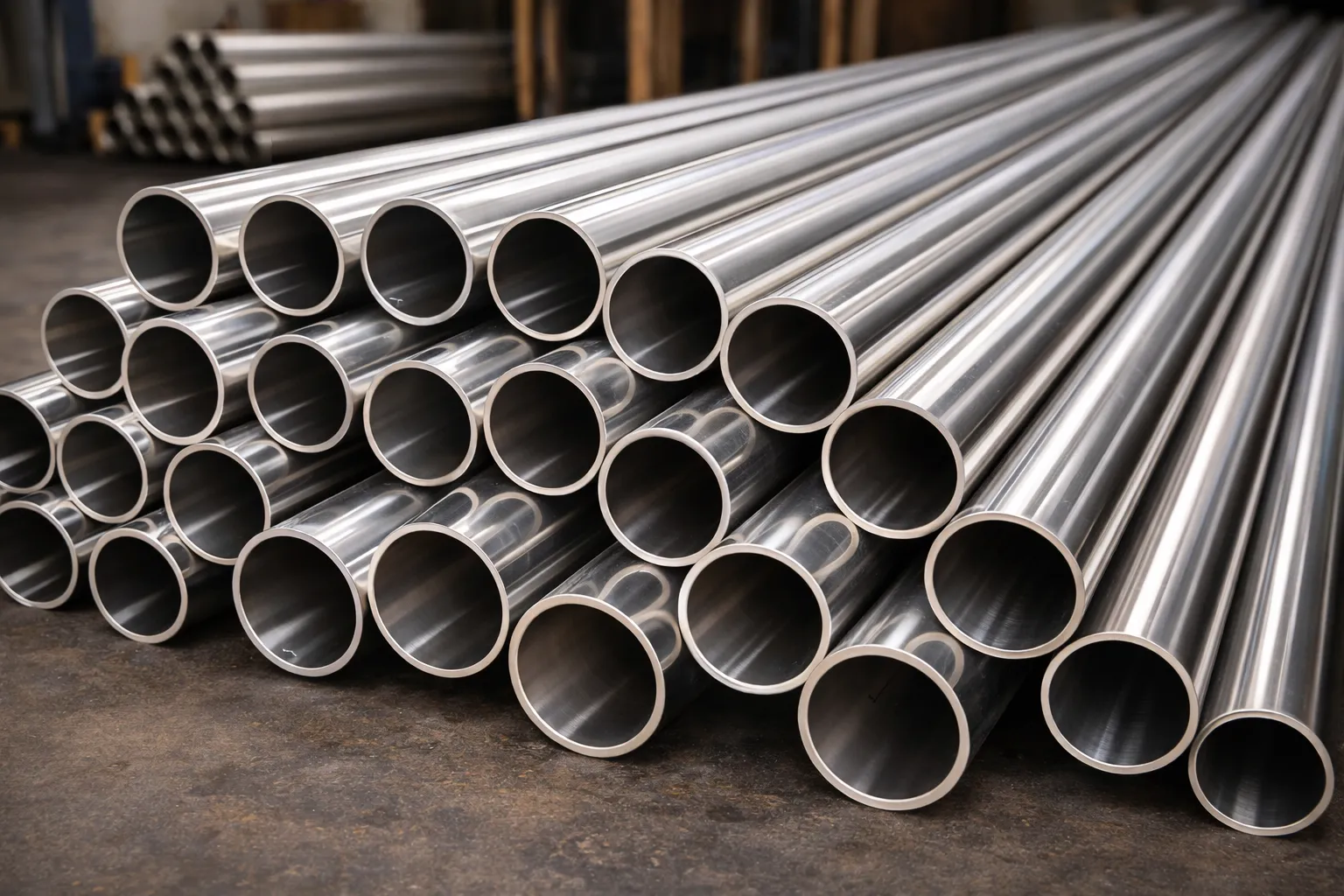
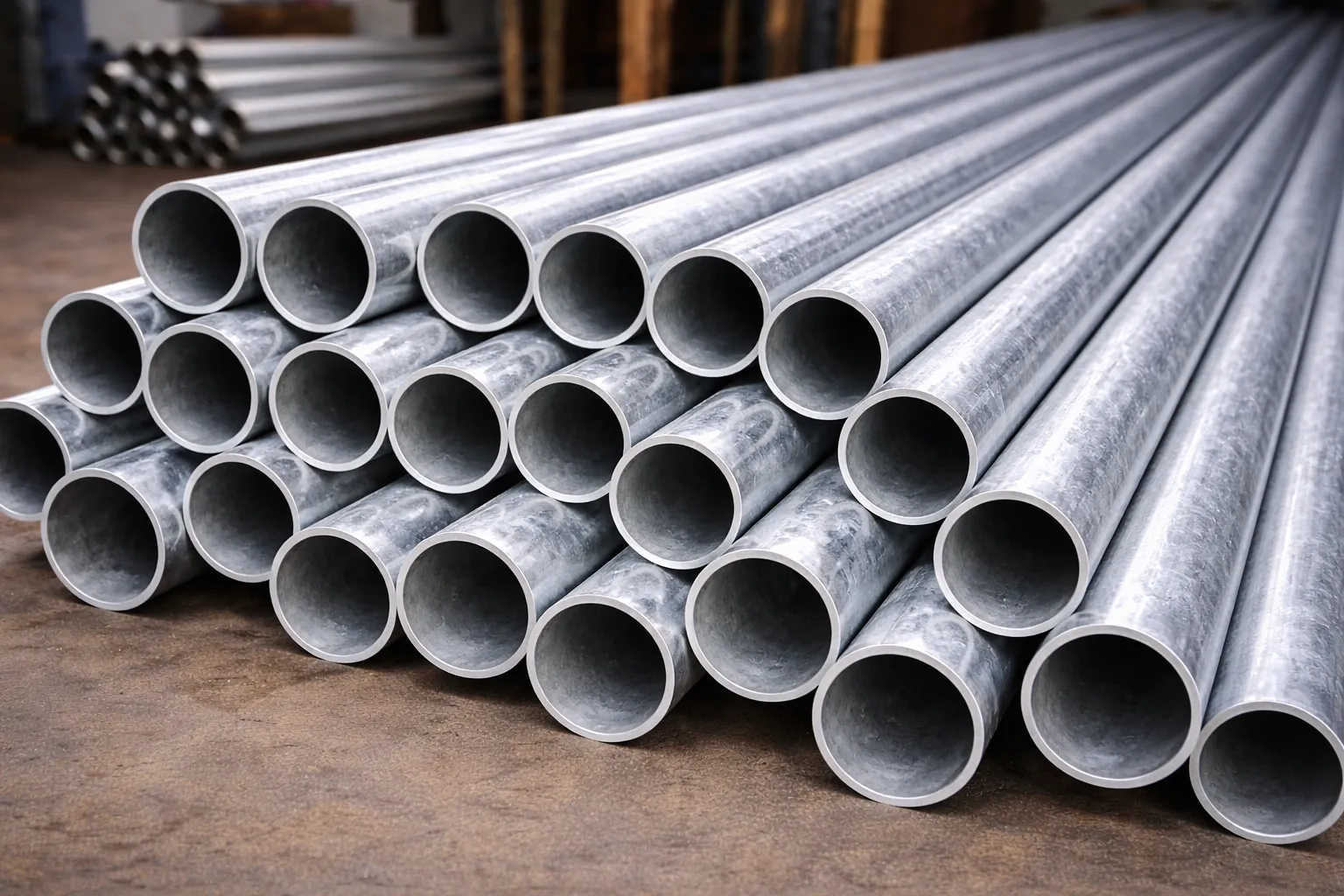
Galvanized steel pipes
Galvanized steel is a zinc coated steel pipe found in many older water systems, where the old method relied on threaded joints and tough wall thickness. It handles pressure well in rated schedules and takes hot water without softness, yet service life varies because rust and scale can build inside and reduce flow. Repairs are slow because old threads seize, and swapping sections often turns into a larger job than planned. Material cost is moderate in many markets, while labor cost climbs due to threading, weight, and stubborn joints. Sizes exist in many nominal diameters, though matching old fittings sometimes becomes the real battle. Heat does not warp it, but corrosion remains the long term threat. You can spot galvanized by dull gray threaded pipe, a magnet that grabs it, and crusty white corrosion near aging joints. Here is the image for Galvanized steel pipes to visually understand!
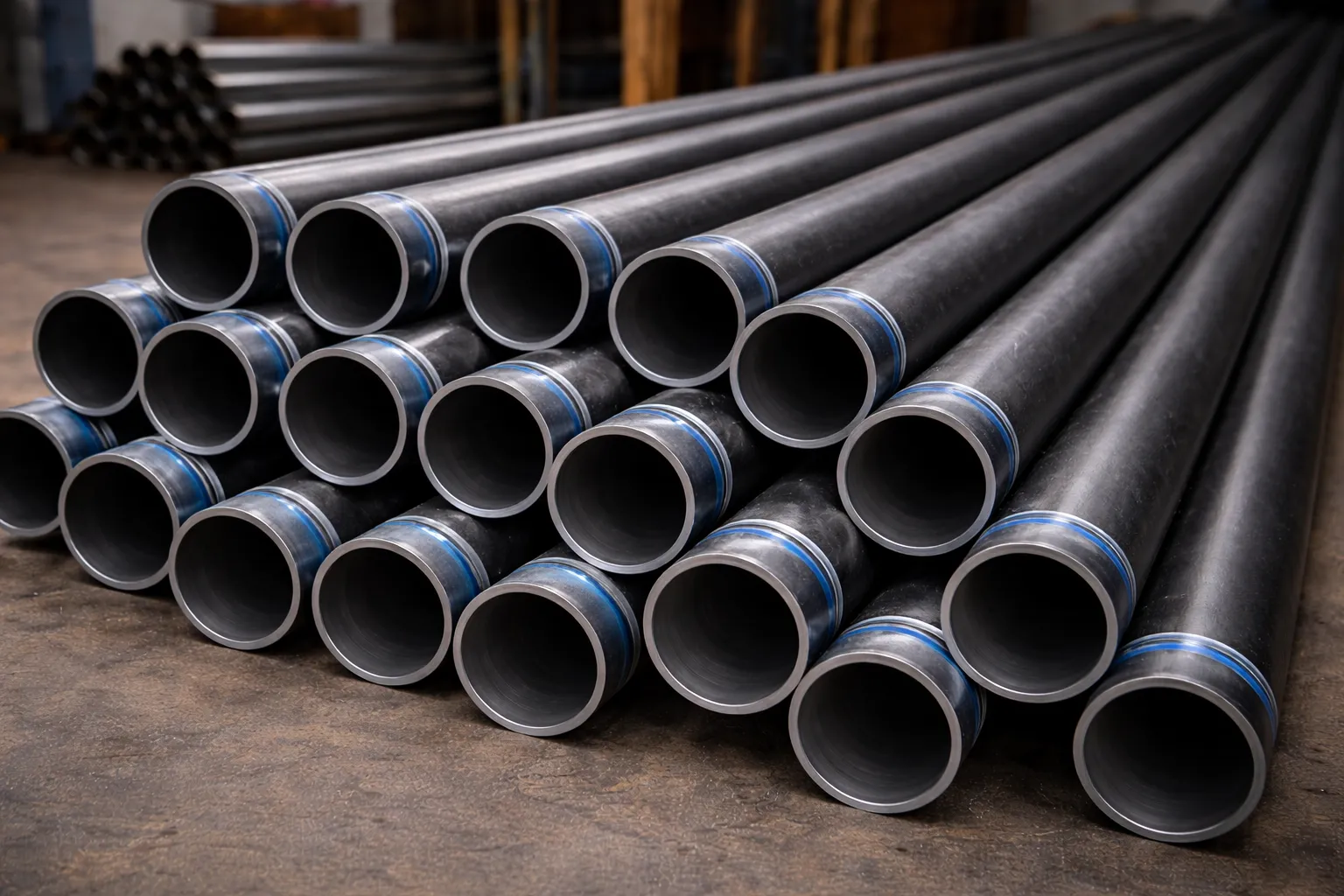
 Black steel pipes
Black steel is the traditional pick for fuel gas piping inside buildings, since threaded steel runs stay stable, handle heat well, and follow long standing trade practice. It is routinely used where pressure is within the pipe schedule rating, yet it is not chosen for potable water distribution because corrosion with water exposure becomes a problem. Cost often lands in the middle, with labor shaped by threading time and careful joint sealing. Size options run broad, which helps for long gas trunks and branches. Heat will not distort it in normal service, and temperature tolerance stays high. The risks are leaks from poor thread seal work, corrosion in damp areas, and improper support on long runs. Identify black steel by its dark coated finish and threaded fittings typical of gas work. Here is the image for Black steel pipes to visually understand!
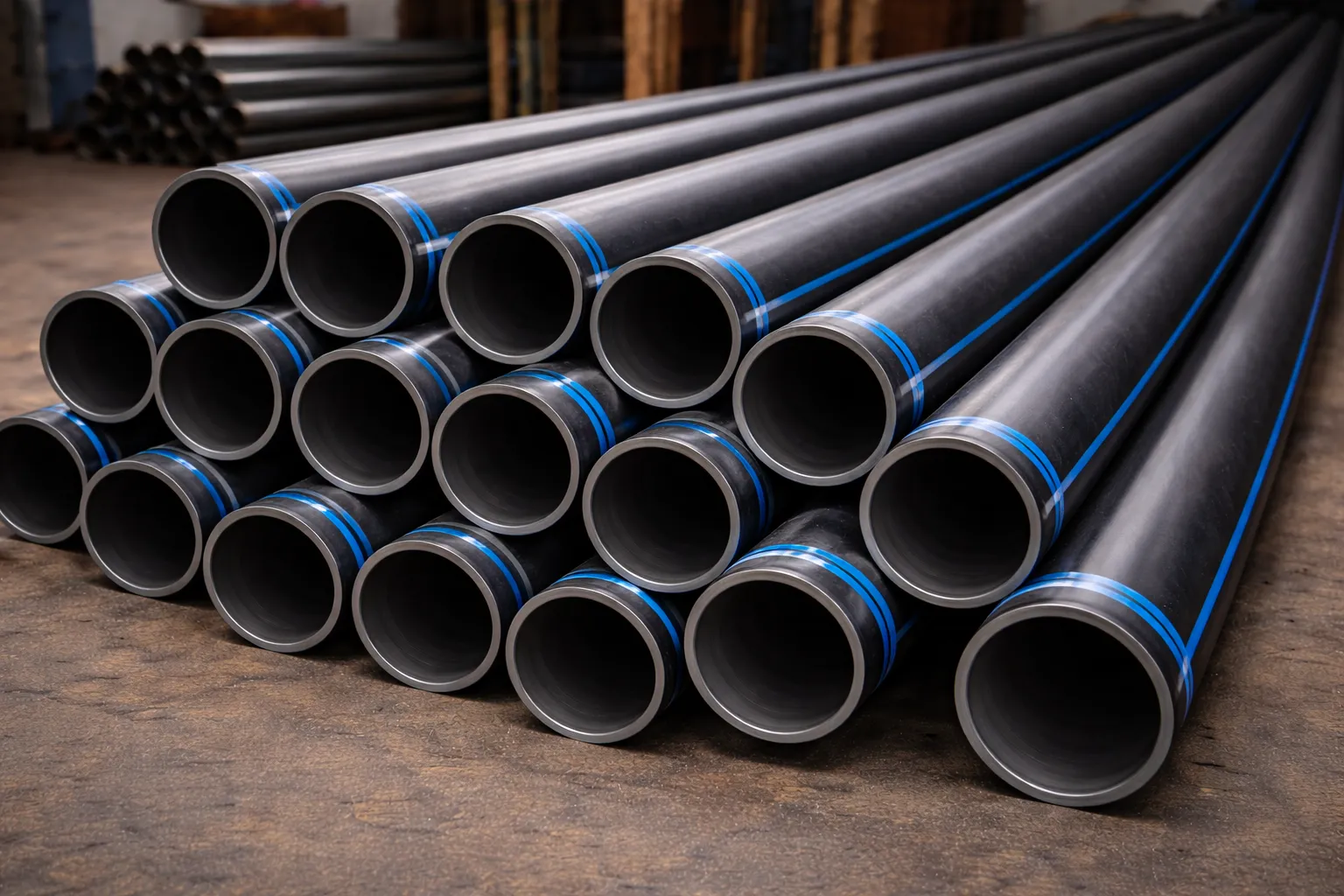
HDPE pipes
HDPE is a tough plastic used most often for buried service lines and site utility runs where flexibility and joint integrity matter. Fusion joined HDPE has a strong track record in underground work, and it resists corrosion from soil conditions better than many metals. Pressure performance is solid when the pipe class matches service requirements, so rating stamps matter here. Cost is often competitive on long trench runs, though fusion needs the right equipment and trained hands. Size options span a wide utility range, while small indoor building stock varies by supplier. Above grade exposure brings UV concerns, and long exposed spans can move with heat, so support and shielding matter to prevent unwanted shape change. You can identify HDPE by black pipe that often carries colored stripes and by fused joints that show a bead ring. Here is the image for HDPE pipes to visually understand!
How to idenitfy the types of plumbing pipes
Start with what your eyes and hands tell you, then confirm with markings. Color and sheen give the first clue, like copper’s reddish metal, ABS black plastic, or cast iron’s dark heavy body. A magnet sorts steel from copper and many plastics in seconds. Joint style narrows it fast, since solvent weld sockets point to PVC, CPVC, or ABS, while threaded ends point to steel. Wall print finishes the job because most modern pipe lists material type and rating. Location helps as a final check, since gas lines often use black steel and tall building stacks often favor cast iron for noise control.
Which is the best pipe type for plumbing?
One “best” pipe does not exist because plumbing splits into supply, drain, and fuel gas work, and each branch asks for different behavior. For indoor potable water, copper and PEX are frequent picks because they meet common supply needs with proven field methods. For drains and vents, PVC and ABS lead in many builds because they resist rust and keep installation simple. For gas distribution, black steel remains a long standing standard in many systems.
What are the types of plumbing pipe sizes ?
Pipe sizing follows nominal systems that do not always match exact measured outside diameter, so markings matter. In many homes, common nominal sizes include 1/2 inch and 3/4 inch for supply branches and mains, with 1 1/2 inch to 4 inch common for drains, depending on fixture load and layout. Larger diameters appear in stacks, building drains, and site service work.
What are the types of plumbing pip materials
Plumbing materials fall into two plain families: metal and plastic. Metal choices include copper, stainless steel, cast iron, galvanized steel, and black steel. Plastic choices include PEX, CPVC, PVC, ABS, and HDPE. Each material brings its own trade offs in cost, joining method, heat limits, pressure rating, and long term wear.
Which plumbing pipe type is best for water supply?
For water supply inside a building, many contractors choose copper where heat tolerance and rigid routing matter, or PEX where fast runs and fewer fittings help the layout. For buried service lines, HDPE is common in utility style work because it resists soil corrosion and takes ground movement well when installed and joined correctly.
What are the plumbing pipe types that used in homes, indrustries, buildings?
Homes often use PEX or copper for supply and PVC or ABS for drains and vents, with cast iron present in many older stacks. Industrial sites lean toward stainless steel or specialty rated plastics when corrosion and cleaning rules matter. Larger buildings use material mixes, with cast iron often chosen for stacks and main drains where quiet flow and durability matter, while supply lines rely on copper, PEX, or CPVC based on project rules and conditions.
Comments (0)
Comments are disabled.